

Finasteride: Helping Reduce Hair Loss
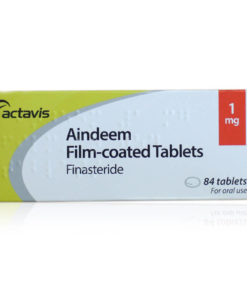
Finasteride is a medicine commonly used to treat male pattern hair loss (androgenetic alopecia). This condition is caused in part by the effects of a hormone called dihydrotestosterone (DHT) on hair follicles. DHT can cause hair to thin and miniaturise over time, which leads to progressive hair loss in genetically susceptible men.
How Finasteride Works
Finasteride blocks the function of an enzyme called type II 5-alpha-reductase, which is responsible for converting testosterone into DHT. By reducing DHT levels in the scalp and blood, finasteride protects susceptible hair follicles from damage and slows or halts the hair loss process. This allows hair follicles to recover and, in many cases, produce thicker, stronger hairs again.
Clinical Benefits
Large clinical trials have shown that finasteride can reduce further hair loss and encourage regrowth in many men with mild to moderate male pattern hair loss. In these studies, about two-thirds of men saw a positive response, either stabilisation of hair loss or some regrowth, typically visible after three to six months of regular treatment, with maximum benefit seen at 12 months[6][8].
Finasteride is most effective at maintaining and thickening hair on the crown and mid-scalp areas. Patients who continue treatment long-term can preserve denser hair and maintain improvements. Discontinuing the medicine may result in a return to prior rates of hair loss within 12 months.
How to Take Finasteride
The usual dose for hair loss is 1 mg taken as a tablet once daily. Consistency is important to maintain results. Dosage might be adjusted by your clinician according to individual needs. Finasteride is sometimes used alongside other therapies, such as topical minoxidil, or following a hair transplant to protect native hair.
Safety and Side Effects
The majority of men take finasteride without problems. A small number may experience side effects, most commonly reduced libido or changes in sexual function. These effects resolve in most men if treatment is stopped. Routine follow-up with your clinician helps ensure the medicine remains safe and appropriate for your needs.
Finasteride is prescribed only for men and should not be taken or handled by women who are pregnant or may become pregnant, due to risk to a developing fetus.
Summary
Finasteride offers an effective option for men wishing to slow hair loss and encourage regrowth by addressing the underlying hormonal cause of male pattern hair loss. When monitored by a clinician and taken as directed, finasteride helps many men achieve and maintain a fuller, healthier head of hair.
** As this product is a prescription medication, we cannot accept returns once dispensed and received. This is in accordance with our strict safety and tampering policies.
Only logged in customers who have purchased this product may leave a review.
Related products
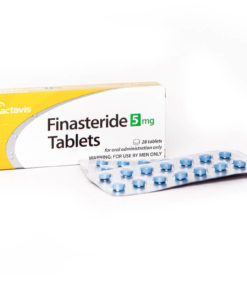
Finasteride
Medical Treatments
Medical Treatments

Medical Treatments
Finasteride
Avodart
Reviews
There are no reviews yet.