Laser Hair Cap
£499.00
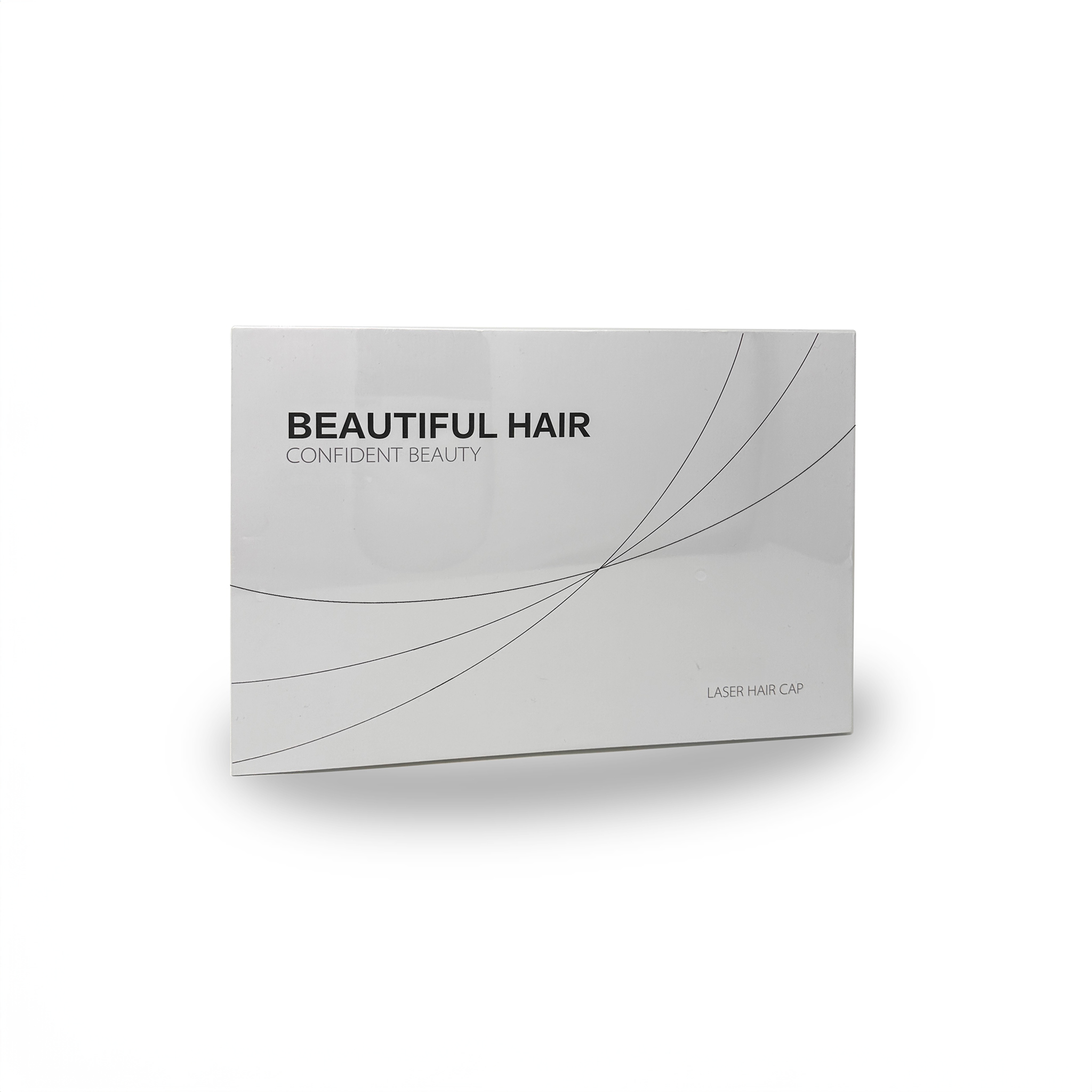
Transform your hair game: Dive into the next era of hair growth enhancement with our cutting-edge Laser Hair Cap.
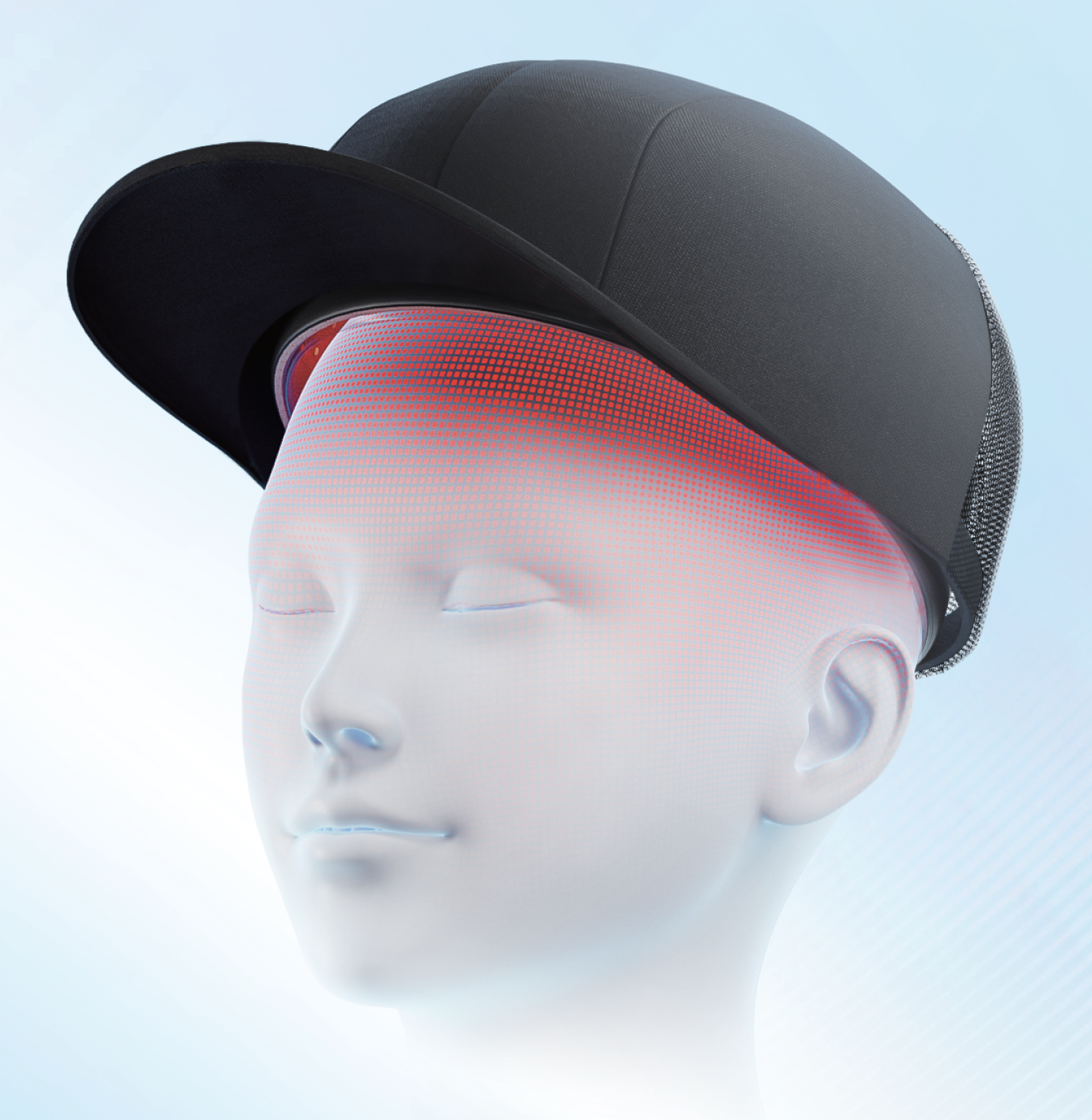
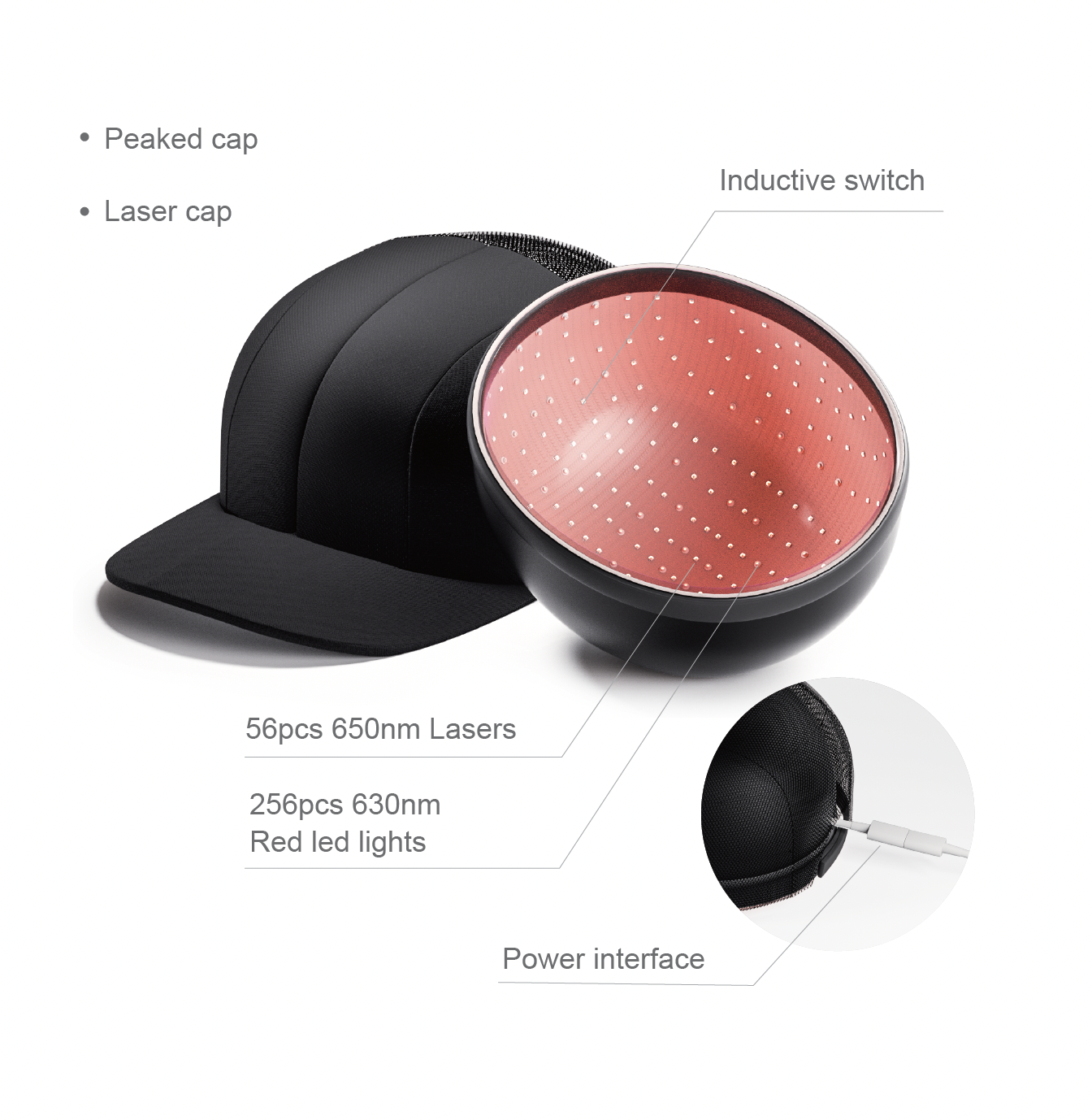
The laser cap is a household portable 630nm red light + 650nm laser product.
Easy to use, simple to operate, and easy to carry/take with you anywhere and everywhere.
In stock
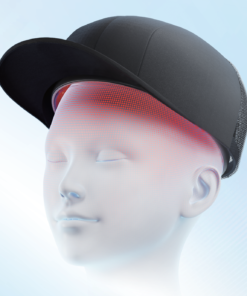
The laser cap employs a 650nm weak laser to optimise the absorption of essential nutrients in the scalp. This specific laser wavelength, when applied to the scalp, instigates a themal response, leading to vasodilation and thereby enhancing the microcirculation within the scalp. This physiological response ensures an augmented delivery of vital nutrients to hair structures.
Moreover, the weak laser possesses antimicrobial properties, targeting and eradicating pathogens such as bacteria and fungi that may reside deep within hair follicles. Additionally, it facilitates the unclogging of sebaceous glands and modulates sebum production. Through its penetration into the hair follicles of the scalp’s dermis, the laser stimulates follicular activity, invigorating and potentiating their functional dynamics.
The 630 nm red light is adept at deep subcutaneous penetration, targeting the mitochondria of hair follicular cells. This interaction facilitates the generation of adenosine triphosphate (ATP), an essential molecule for cellular growth and metabolism, thus promoting hair follicle proliferation. Given that red light is preferentially absorbed by haemoglobin, it enhances erythrocyte oxygen transport capacity. This in turn fosters localised capillary perfusion, mitigating the follicular atrophy associated with compromised blood supply, and restores the vascular functionality of the dermal papilla.
Furthermore, red light therapy enhances the synthesis of ribonucleic acid within human tissue cells, a critical precursor to protein synthesis. This not only accelerates hair growth but also improves the tensile strength, density, and resilience of the hair shaft. Beyond these benefits, red light therapy bolsters cellular synthesis systemically, strengthens immunological responses, and offers therapeutic advantages in managing alopecia areata associated with autoimmune deficiencies.
Related products